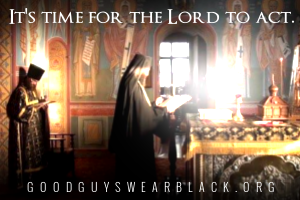
Catechesis 53 – On Fasting

February 11, 2010 by Fr. John A. Peck  
Filed under Patristics

Comments Off

by St. Theodore the Studite

Our Venerable and God-bearing Father Theodore the Studite was a hymnographer and theologian as well as the abbot of the Monastery of St. John the Baptist in Studios, outside of Constantinople, during the ninth century.

His great theological contribution, On the Holy Icons, was for the defense of icons during the Second Iconoclasm Period (814-842). He is also known for his writings and influence on monastic reform.

On fasting; and that the true fast of the obedient and the subject is the cutting off of one’s will. Given on Cheesefare Sunday.

Brethren and Fathers, our good God who gives us life and brings us from year to year, has brought us also with love for mankind to this present time of fasting, in which each of the eager, as their choice directs, enters the contest; one devoting himself to self-mastery, eating only every two or three days, another to vigil, keeping vigil for so long or so long, another spending even longer in prostrations, and others in other ascetic actions. Read more

At the Threshold of the Fast: Forgiveness

February 10, 2010 by Fr. John A. Peck  
Filed under Steenberg, M. C. Prof.

Comments Off

by Dcn. Matthew Steenberg

A deacon of the Russian Orthodox Church in Great Britain (Diocese of Sourozh), Dr. Steenberg is a patristics scholar, and formerly a Fellow in Theology at Greyfriars, Oxford. He is currently chair of the Department of Theology and Religious Studies at Leeds Trinity & All Saints. He serves in the parish of St Nicholas the Wonderworker, Oxford, and is to be heard in the weekly ‘A Word From the Holy Fathers’ broadcasts of Ancient Faith Radio and Monachos.net.

It is, at last, time for Great Lent to begin. The weeks of preparation are at their end; the gradual reduction and proscription of foods and activities comes now under the full weight of the Fast. The Church, on this very night of the ‘Sunday of Forgiveness’, has had its fabrics of whites and golds solemnly removed and replaced with deep purple: her customary garments of joy are exchanged for the attire of penitence. And so, kneeling and prostrate, her people look ahead to Pascha, the great feast of the Light, for the first time from within the context of the full Lenten discipline. Read more